REVIEW: The Pendulum Swings, Skylight Webzine

August 5, 2026 | Billy Yfantis

Skylight Webzine logo

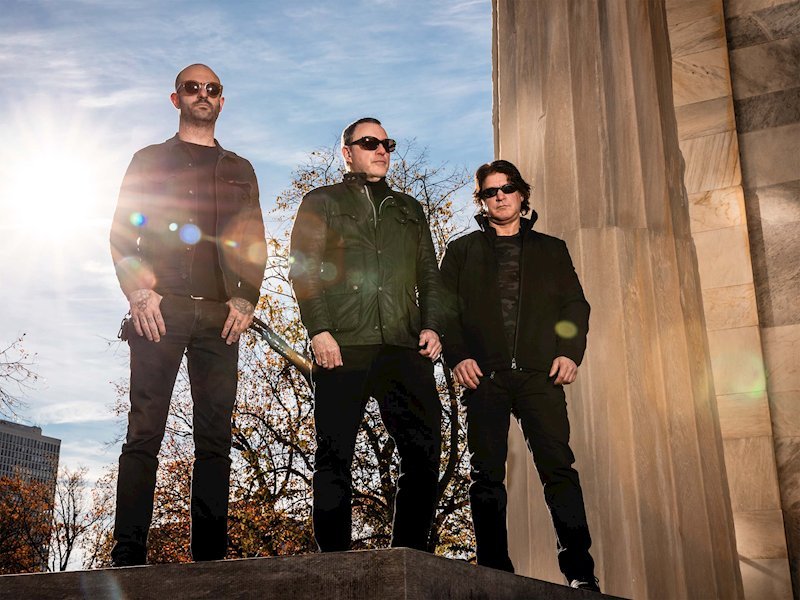
After a 25-year break from full-length albums, New Jersey alternative rock duo Deardarkhead returns with The Pendulum Swings, an album that is both classic. The record, which was recorded at Miner Street Recordings in Philadelphia and produced, engineered, and mixed by Brian McTear and Amy Morrissey, with mastering by Grammy-nominated engineer Joe Lambert, reveals a band that has embraced experimentation while remaining true to its atmospheric alternative rock roots. Drum loops, unique time signatures, new keyboard sounds, ebow, Bass VI, and extended guitar layering all contribute to the album’s immersive sound. The album’s opening track, “Flamethrower,” establishes its character with distinct bass tempos that slowly develop into a powerful grunge-inspired arrangement. Beneath the strong guitars, slight shoegaze sounds offer dimension and mood, keeping the song from being a straight-up rock hit. The first track’s combination of raw energy and spaced out sound creates a strong feeling of movement. “Coming Undone” takes the mood to a darker place, embracing post-punk aesthetics and melancholy guitar lines that create an almost creepy atmosphere. Gothic influences are naturally integrated into the arrangement, resulting in a cinematic composition that prioritises melody and mood over pure aggression. The production gives each layer room to flow, making the song artistically expansive. One of the album’s highlight moments is “Tears,” which begins with lush, ambient sounds and carefully processed guitars that recall The Cure’s surreal aspects. As the piece progresses, post-rock melodies reminiscent of Explosions in the Sky arise via expansive guitar work and careful dynamic buildup. Rather of depending on traditional verse-chorus forms, the song unfolds naturally, resulting in a touching journey in which atmosphere becomes the primary instrument. The album’s final track, “The Pendulum Swings,” combines shoegaze and darkwave influences to create a fascinating crescendo. Sweet, melodic guitar lines flow over the stereo field, while layers of effects create a hypnotic, dreamy mood. The expansive production and precisely constructed sounds leave the listener with a constant experience of inner reflection, perfectly capturing the album’s musical character. Throughout the album, Deardarkhead shows an exceptional command of texture, dynamics, and guitar-based songwriting. Instead of depending on technical performance, the band focuses on building emotional landscapes in which each note contributes to the atmosphere. The production quality is superb, with each instrument taking up its own space while still adding to a harmonic and full sound.

https://skylight.gr/index.php/2026/08/05/deardarkhead-the-pendulum-swings/

REVIEW: In Another Life, Skylight Webzine

June 28, 2026 | Billy Yfantis

Skylight Webzine

Deardarkhead’s second song from The Pendulum Swings, their first full-length album in 25 years, is an atmospheric and spiritually deep instrumental titled “In Another Life.” Inspired by observations on the unknown paths and unanswered “what ifs” that follow every life, the music encourages mindfulness, while reminding the listener that true peace of mind comes from living in the present. The song begins with a groovy alternative rock basis that creates a warm mood. The rhythm section maintains a steady beat, while the bass guitar becomes especially noticeable at about 0:32, giving motion and depth to the composition. Its melodic lines are more than just accompaniment; they are a vital component of the song’s emotion-driven mood. As the music progresses, the guitars provide uplifting melodic themes that bring out the ethereal characteristics of bands like The Cure. The guitar work is rich in reverb, creating a dreamy mood that frequently leans into shoegaze zone. These broad soundscapes provide the song a floating air aspect, making it sound nostalgic. One of the song’s biggest strengths is its production. The audio mix is nicely balanced, emphasising the melodic interaction between bass and guitar while allowing every layer to operate naturally. The reverbed sounds are presented with exceptional clarity, resulting in a realistic stereo image that rewards attentive listening, especially with headphones. Despite the lack of vocals, the piece successfully expresses emotion. The guitars act like storytellers, leading the listener through moments of mindfulness, hope, and peaceful thought. The hypnotic flow of the composition represents drummer Robert Weiss’ obsession with sitar-inspired droning sounds, giving a soft character without distraction from the song’s melodic focus. Overall, “In Another Life” is a well created instrumental that combines alternative rock, dream pop, and shoegaze influences to create a smooth and thrilling experience.

REVIEW: Letting Go, Skylight Webzine

May 23, 2026 | Billy Yfantis

Skylight Webzine

Kevin Harrington claims that “Letting Go” is “a song about growth…change…letting go of old ways,” with a focus on accepting a new path with confidence and clarity. Keyboardist Joe McGinty, who is well-known for his work with The Psychedelic Furs, Nada Surf, Ryan Adams, and Deborah Harry, joins Deardarkhead to further enhance the song. The production crew, which was recorded at Miner Street Recordings in Philadelphia, also comprises mastering engineer Joe Lambert, Brian McTear, and Amy Morrissey. Their combined experience adds more detail to the release’s sound. The song begins with vibrant drumming and beautiful, Shoegaze-inspired guitar sounds that immediately bring out a nostalgic atmosphere characteristic of bands like Lush, Slowdive, and the Stone Roses. From the beginning, the composition balances dreamy warmth with a steady rhythm, resulting in a sound that is upbeat. “Letting Go” is an instrumental work that communicates its message purely through melodic expression and mood. The guitars take on the major narrative style of the piece, expanding through dynamic phrasing and layered sounds that create an exploratory and open atmosphere. Rather than remaining static, the arrangement is constantly evolving with small modifications and changing musical patterns. Technically, the performance is very detailed, featuring numerous changeovers and interconnected instrumental components that call for careful attention. These changing patterns correspond to Harrington’s topic of inner development, reinforcing the concept of movement, advancement, and emotional freedom through sound only. Finally, “Letting Go” works as both a nostalgic shoegaze-influenced instrumental and a personal statement about change and rebirth. Its lush guitar work, fluid arrangement, and powerful atmosphere allow for an engaging listening experience that inspires self-analysis and gentle optimism.

Deardarkhead